Every renovation carries a promise. Fresh stone underfoot. Quiet-close cabinetry. The soft click of new hardware. Yet beneath the fittings and finishes, there’s a system that determines how your home feels to live in, day after day. Water is the silent companion of a well-run house, and the network that delivers it has a lifecycle. If you’re opening walls and investing in upgrades, repipe plumbing is not only sensible, it’s an elegant move that protects your investment and refines the way you experience your home.
The most luxurious upgrades aren’t visible
Consider a renovated primary bath with sculpted marble and unlacquered brass. Now picture tepid pressure at the rain head, fluctuating temperature when a second fixture opens, and a faint metallic taste in the cold water. Beauty fades under the strain of old infrastructure. I have walked clients through newly tiled suites that looked like spa pavilions yet felt ordinary because the risers and branches feeding them dated to the previous century.
The most rewarding renovations I’ve been part of included a repipe. It isn’t showy. You won’t post a photo of PEX manifolds or Type L copper the way you might frame a Calacatta slab. But what you will notice is quiet confidence: consistent pressure at every fixture, purified taste at the kitchen tap, faster hot water, and systems built to last as long as the stone.
When pipes tell their age
Old plumbing doesn’t fail all at once. It signals. A small stain appears on the ceiling below a bathroom. A guest shower sputters. A washing machine hose vibrates more than you remember. If you live with galvanized steel, internal corrosion slowly narrows the diameter, and your water pressure declines while the risk of pinhole leaks rises. Polybutylene, common in the late 1980s and early 1990s, can microfracture at fittings. Thin-wall copper eventually pits. Even CPVC can turn brittle after decades, depending on water chemistry and UV exposure during installation.
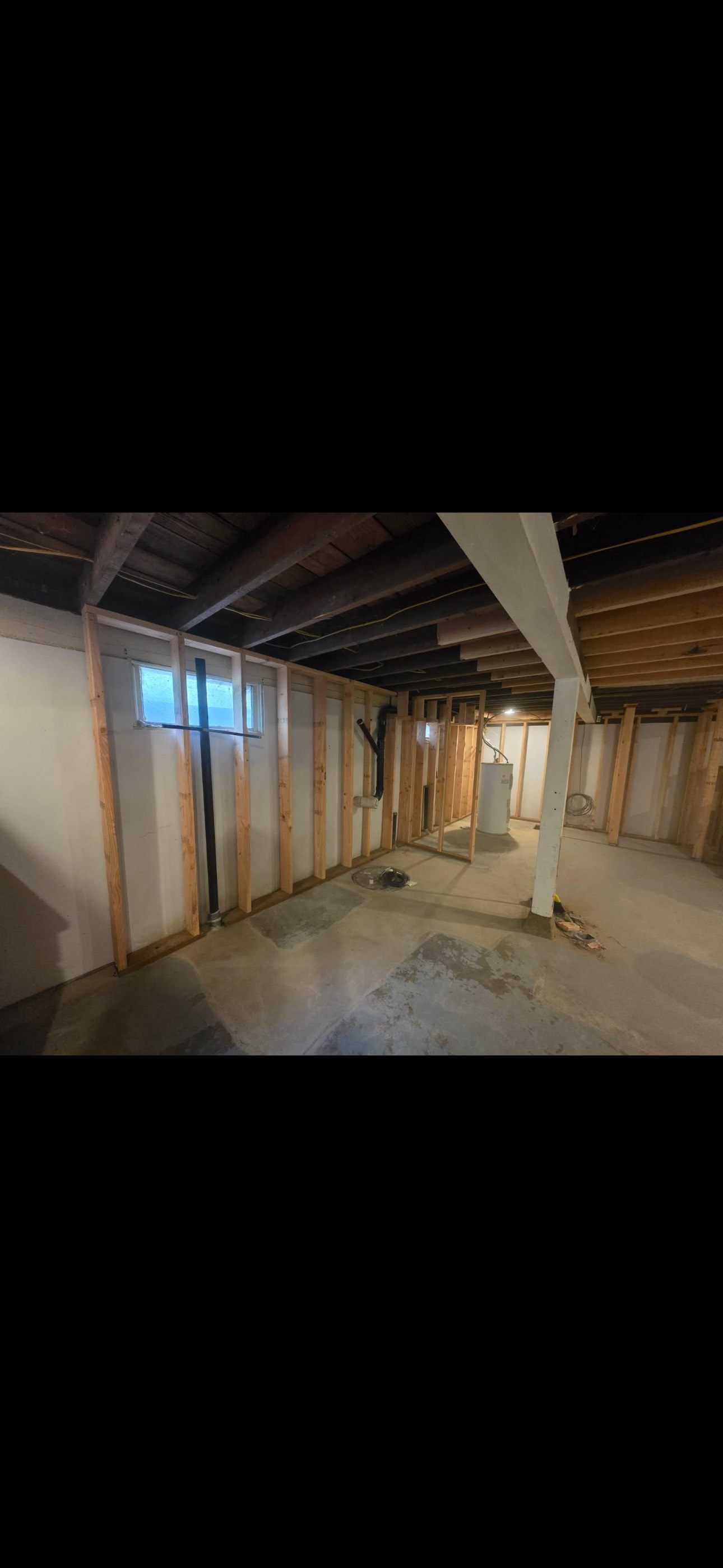
In houses from the 1920s to the 1960s, I often see patchwork: copper added to galvanized runs, a few stretches of PEX from a later repair, original cast iron for waste. That patchwork might work for years, but it complicates every future intervention, and it rarely meets the demands of modern living. An upgraded kitchen with professional-grade appliances and a primary bath with multiple outlets will expose the limits of a tired system.
The logic of repipe plumbing during a renovation
Timing matters. A full repipe involves opening strategic sections of wall and ceiling to run new lines, set manifolds, and adjust fixture locations. It pairs beautifully with a renovation because the surfaces are already coming off. You avoid duplicate disruption and reduce labor cost per task. Since carpenters and tile setters are on site, patching is efficient and cleaner. Inspections line up. Schedules compress.
Repipe Plumbing also allows the design team to properly size and route the system to suit modern fixtures. A hand shower and a soaking tub pull differently on the system than a single 1960s shower and tub combo. Add a steam unit, a filter, or a recirculation loop, and you need planning to avoid starved lines or tepid returns. A repipe is the moment to recalibrate the entire hydraulic profile of the home, not just shoehorn new fixtures into old arteries.
Materials that respect both taste and performance
For supply lines inside the home, the conversation often revolves around three choices: copper, PEX, and CPVC. All work when properly installed. The right choice depends on climate, water chemistry, budget, and the architectural style of the house.
Copper, especially Type L, remains a benchmark for durability and heat tolerance. It resists UV, handles high temperatures, and maintains structural integrity in exposed mechanical rooms. I specify sweat-soldered copper risers in homes with high ambient temperatures near mechanical equipment or where the client wants a traditional, serviceable look. The finish of a neat copper installation, valve labels stenciled cleanly, is a quiet pleasure.
PEX, particularly PEX-A from reputable brands, offers flexibility, fewer fittings, and a home-run manifold system that balances pressure elegantly. Runs curve gently without elbows, which means fewer joints hidden behind finished walls. It fares well in cold climates where slight expansion can be an asset. PEX also pairs beautifully with recirculation loops when sized correctly and insulated.
CPVC can be sensible in certain situations, but in luxury renovations I find it less favored. Aesthetics aside, the solvent-weld smell lingers during work, and it’s less forgiving under physical stress. If a mechanical room gets regular handling and tool traffic, copper or PEX typically stands up better.
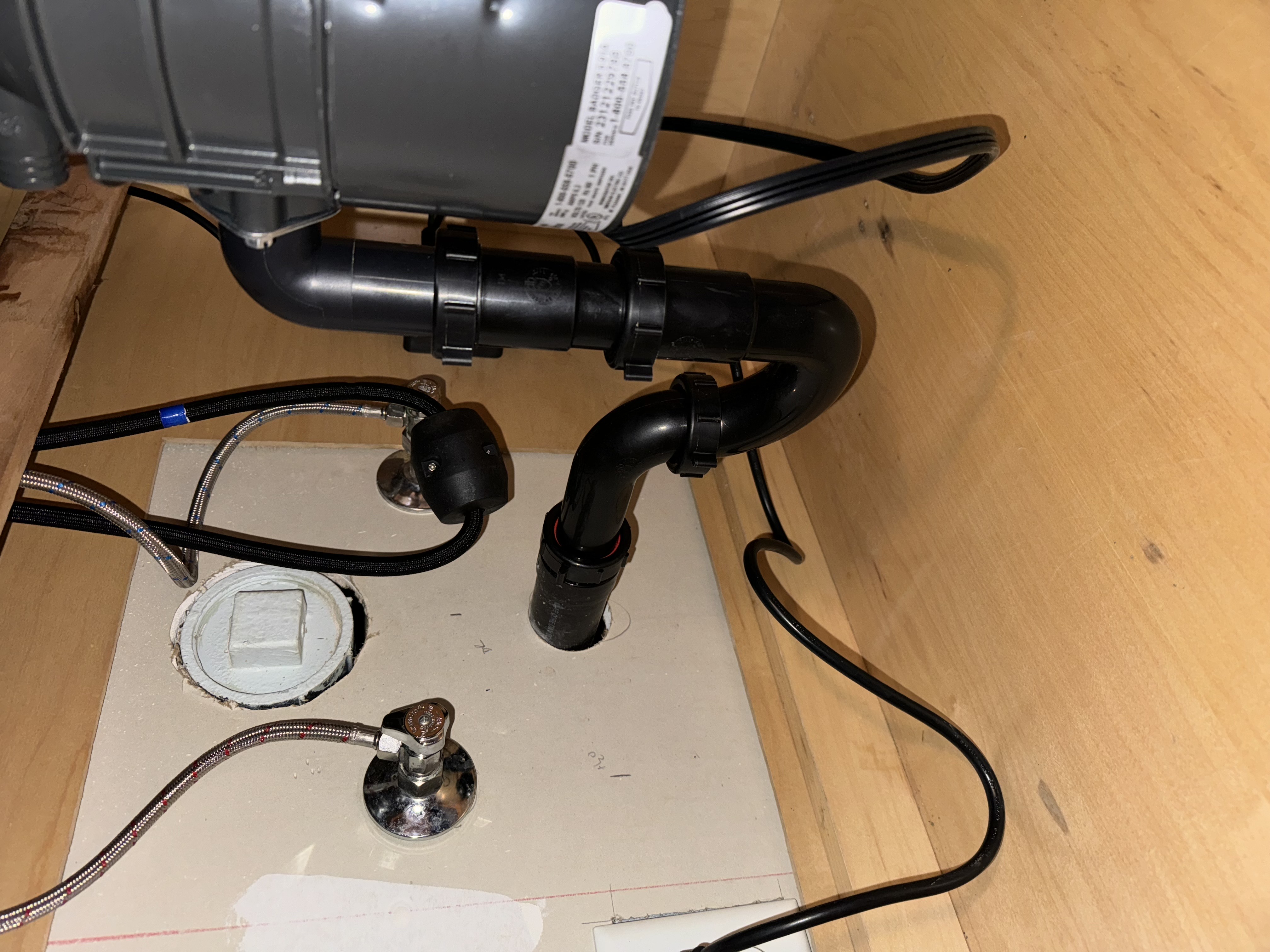
For drains and vents, cast iron still earns consideration for sound deadening, especially in multi-story homes or where a powder room sits off a public living area. PVC handles the job well and complies with most codes, but the acoustic difference is noticeable. In homes where you expect library-like quiet, that density matters.
Pressure, flow, and the way water should feel
The best systems are tuned. Pressure and flow are not the same thing, though they’re often confused. Old, constricted lines can read good static pressure on a gauge, yet they starve under demand. A repipe lets you recalibrate from the main shutoff inward. Pressure regulators can be set so fixtures in the far wing of the house respond instantly and simultaneously.
I walked a client through this in a hillside property with long runs between the meter and the primary suite. The old galvanized riser choked flow. We replaced it with a larger-diameter copper service, distributed PEX home runs from a central manifold, and introduced a recirculation loop for the hot side with a smart pump. The client’s first note afterward was not about the new tile. It was about the feeling of shower water arriving at the exact temperature in seconds, with unwavering pressure while the laundry ran.
Water quality and the hidden luxury of taste
You notice it when you pour a glass. New piping eliminates metallic flavors from corroded steel and reduces sediment that clogs aerators. But quality isn’t only about taste. Hard water scales fixtures and reduces the efficiency of on-demand heaters. A repipe is the ideal time to introduce whole-house filtration or conditioning. I prefer to place filtration equipment in a dedicated, well-lit mechanical alcove with floor drainage and labeled shutoffs. Clear service paths, isolation valves at every critical device, and pressure gauges before and after filters turn maintenance into a neat, five-minute task rather than a half-day operation.
Clients who entertain frequently often add a second layer: a point-of-use filter at the kitchen and a separate chilled line for a filtered water tap. When those lines originate from the new manifold, you can isolate them for service without interrupting the household.
Hot water recirculation done the right way
A common complaint in large homes is the wait for hot water. Standing with your hand under a faucet while water warms is more than an inconvenience. It’s waste. A recirculation system reduces lag, but it needs design care. Undersized return lines whistle. Pumps set to run round the clock raise energy use unnecessarily. The elegant solution uses a timer or demand control with temperature sensors. Insulate supply and return lines, balance the loop with valves at strategic points, and match pump capacity to the loop length. During a repipe, threading that return line is straightforward, and the benefit is immediate: hot water that arrives as if the system read your mind.
Fire risk, leak risk, and the cost of silence
I’ve seen insurance adjusters lift a brow at ceilings stained by pinhole leaks. The soft costs of water damage are significant: weeks of dehumidifiers, baseboard removal, paint repair, and displaced living. A repipe dramatically reduces leak risk, but only if certain details are respected. Anchor blocks at every change of direction in copper. Expansion loops or slack in PEX for thermal movement. Proper hangers with isolation grommets so metal hangers don’t bite into plastic. Dielectric unions where copper transitions to steel. These aren’t glamorous details. But when they’re neglected, they find you later, often at 2 a.m.
I had a client with a walnut-paneled library below an upstairs bath. He loved the original cast iron, but the branches feeding the lavatory had been spliced with thin-wall copper in the 1970s. We replaced the assembly during the renovation. Months later, a neighbor with a near-identical house had a pinhole in the same location that split overnight and soaked first editions. The difference wasn’t luck. It was discipline in the quiet decisions.
The electrical and HVAC crossovers no one talks about
Plumbing rarely lives alone. It crosses paths with electrical and HVAC. During repipe plumbing, we coordinate carefully: keep clearances from electrical panels as required by code, avoid draping lines over ductwork where condensation may become a problem, leave separation between gas lines and water lines to simplify service.
Cross-discipline collaboration pays off in the mechanical room. Wall-mount your manifold with adequate spacing, label every run to fixture, and keep expansion tanks, filters, and shutoffs easily reachable. A tidy layout looks professional, and you can service one component without disturbing another. It’s the difference between a mechanical room you avoid and one you take pride in showing a curious friend.
Code, permits, and the benefit of doing it once
Permitting is not optional, especially when you’re touching the main or altering fixture counts. Inspectors in many jurisdictions now look closely at pressure-balancing or thermostatic mixing valves, scald protection for tubs, and anti-siphon measures at exterior hose bibs. A repipe gives you the opportunity to meet or exceed these requirements in one sweep rather than whack-a-mole repairs that never quite catch up to current standards.
There’s also seismic bracing in earthquake regions, proper strapping of water heaters, and vacuum relief where required. In cold climates, keep the piping within the thermal envelope and insulate exterior wall sections thoroughly. These steps are far easier when walls are open and trades are coordinated.
Resale value and the quiet line on the brochure
When you sell a high-end home, buyers expect more than finishes. They ask about the roof date, the HVAC tonnage, the age of the water heater, and increasingly the state of the plumbing. A full repipe is a line that calms the conversation. It reads like stewardship. Agents tell me that homes with brand-new supply lines, a modern manifold, and documented permits tend to move faster and closer to ask, because the perceived risk drops. Buyers see a complete system rather than a time bomb wrapped in travertine.
The cost conversation, answered with perspective
A proper repipe is a meaningful investment. For a three-bath home, you might see a range that runs from the low five figures to the mid five figures depending on access, material choices, and whether you include replacements of the main service line. In a larger property with guest house, multiple wet bars, and long runs, costs rise accordingly. But compare that to layered repairs over the next decade, each one requiring exploratory demolition and patchwork, and the calculus changes. Layered repairs add labor inefficiencies and risk inconsistency in materials. With a repipe, you buy unity and control.
We also treat the schedule as a financial lever. Good teams stage work so plumbing rough-in completes before tile or cabinetry arrive, and pressure tests happen early to protect downstream trades. That coordination trims days from the calendar, and time is money, especially if you’re carrying a construction loan or relocating during the project.
Planning the sequence for minimal disruption
There’s a rhythm to repipe work that keeps a household running. If you’re living in the home during construction, we set temporary bypasses so you have a working kitchen sink or at least a reliable bath each night. We replace risers in zones. We notify you before a planned shutoff and restore service by end of day. Meals and sleep matter, and a good crew respects both.
For homes with stone slab showers, we prefer to rough in, pressure test, and document with photos before the slabs are set. Detailed photos of valve depths, stud locations, and manifold routing saved a client of mine years later when they wanted to add an integrated hand shower. We knew exactly where to open a small section, and the repair was surgical rather than exploratory.
Choosing the right team and setting standards
This is a craft decision as much as a materials decision. I look for licensed plumbers who carry a calm confidence, keep a clean truck, and label every shutoff. Ask to see a prior project’s mechanical room. You should be able to read the system without a translator. Ask about pressure testing protocols. A good crew will bring air to 100 psi for a preliminary test on parts of the system, then conduct a water test at working pressure before close-up. They will stage permits, schedule inspections, and provide you with a simple diagram at the finish, even if your jurisdiction doesn’t require it.
A word on warranties: materials typically carry manufacturer warranties, but workmanship is what protects you. Favor teams who stand behind their work for multiple years, who answer calls promptly, and who show up with drop cloths even for a ten-minute valve swap. How a crew handles small things predicts how they handled the things you cannot see.
Integrating Repipe Plumbing with design goals
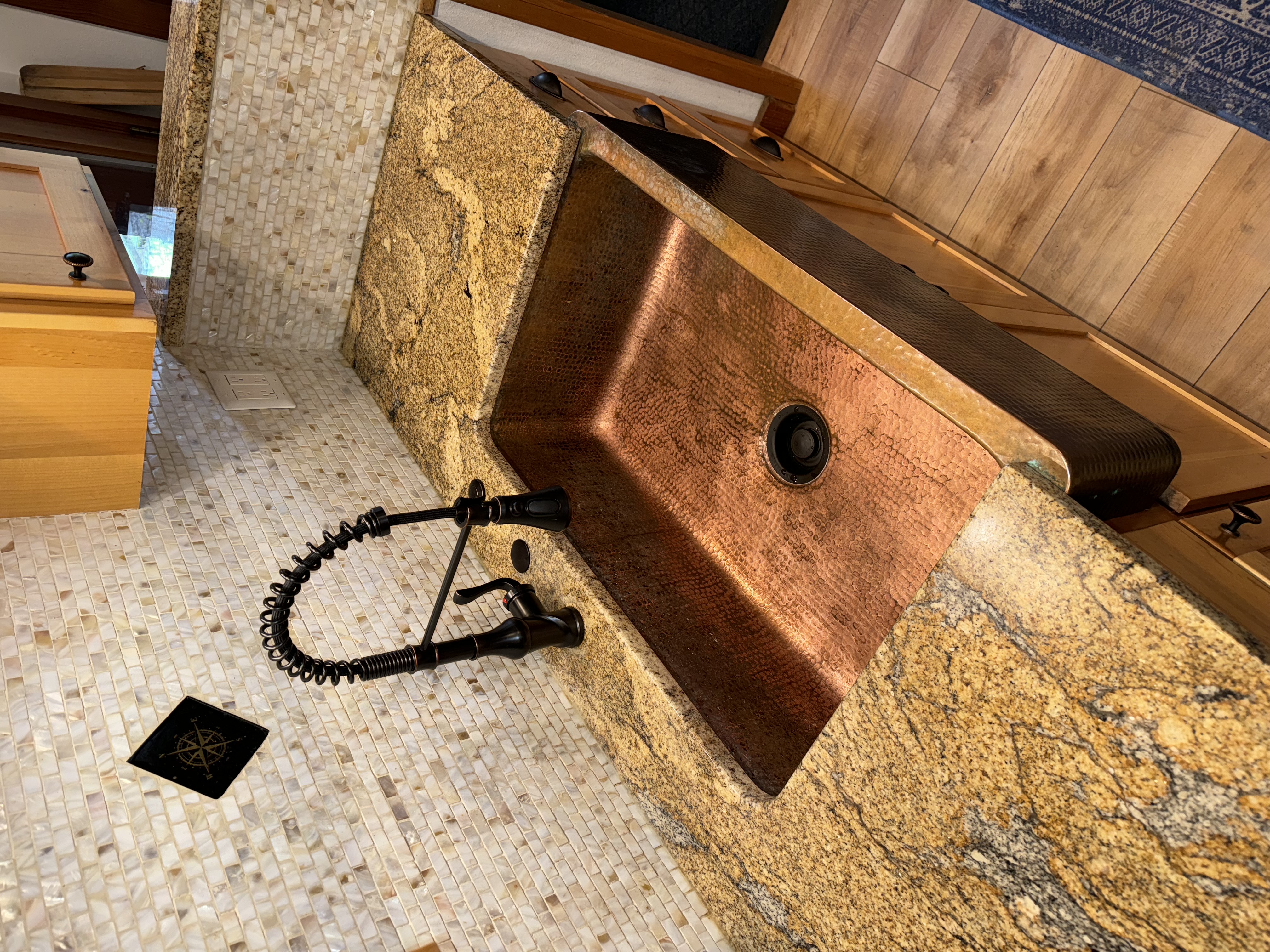
Too often, builders treat plumbing as an obstacle for design to work around. It should be a partner. If you’re planning a slender vanity with deep drawers, tell your plumber early. They can route supplies to preserve drawer function and keep the trap concealed cleanly. If you’re designing a freestanding tub with a floor-mounted filler, ask for a relocated supply box set precisely to the fixture spec, with enough wiggle room to handle the finished floor thickness.
This is where Repipe Plumbing meets luxury. It’s not only new pipe, it’s the act of tailoring that pipe to your spatial ambitions so everything aligns: valves centered on tile patterns, shower heads at the right height for the tallest person in the house, hose bibs placed where the gardener actually needs them, and an ice maker line that doesn’t cross hot zones in the kitchen.
The sustainability argument that actually feels good
Water conservation isn’t a trend in a brochure, it is the basic civility of responsible building. A repipe lets you select WaterSense fixtures that still feel generous because the system behind them is balanced. It lets you capture hot water quickly with a smart recirculation loop so you waste fewer gallons waiting. Insulation on hot lines retains heat, which means your water heater cycles less. These choices reduce the home’s footprint without asking anyone to accept a thin shower.
Over the years, I’ve seen clients who care deeply about the environment struggle with the daily irritation of slow hot water and then slip back to long waits. After a repipe with demand recirculation, the habit changes naturally. The system meets them halfway, and conservation happens through design rather than discipline.
Risks, edge cases, and when you should pause
There are moments when a partial repipe, not a full one, is the smarter move. If a heritage home has plasterwork with integral fresco or original tile that you refuse to disturb, you might choose to reline a section or reroute discreetly through closets. In coastal regions with aggressive water chemistry, you may prefer specific alloys or barrier PEX to mitigate corrosion from the inside out. In multistory condos, common-area risers can limit how far you can go without building approval. The right answer respects the envelope and the context.
Another edge case involves homes with radiant heat embedded in plaster ceilings or floors. A careless saw cut can segment a loop and turn a simple repipe into a heating repair. The solution is methodical scanning, marked no-cut zones, and, when needed, routing through soffits that the designer can turn into a feature rather than a compromise.
What you should expect after the crew rolls out
A new system should be quiet, consistent, and easy to understand. Every shutoff should be labeled. The water heater should be set to a safe, practical Repipe Plumbing Gladstone temperature, often 120 degrees Fahrenheit unless a specific fixture requires mixing. You should have a simple map of the manifold, a log of pressure test results, and clear instructions for filter changes and pump timers. Place this packet in a sleeve on the mechanical room wall. When you sell the home or hand it to a house manager, that document becomes a sign of care.
Your senses will tell you the rest. Clear water, swift temperature response, no hammering when a valve closes, and a sense that the house is listening rather than arguing. Guests will notice the way showers feel generous without being wasteful. You will notice that you stopped thinking about plumbing at all, which is the true mark of a system that serves.
A short guide to decide if it’s time
- Your home has galvanized supply lines, visible corrosion, or frequent pinhole leaks. You’re adding bathrooms or high-demand fixtures and want balanced pressure everywhere. Water takes a long time to heat at distant fixtures, or pressure drops when multiple taps are open. You’re already opening walls for a renovation and want to avoid repeat disruption. You value quiet, taste, and reliability as much as you value visible finishes.
The quiet luxury of doing it right
Luxury is not loud. It’s the absence of friction. When a home’s plumbing is renewed, the entire space settles into a calmer rhythm. Water appears when and where you expect it, at the temperature you prefer, with the clarity you want to serve your family and guests. Repipe Plumbing is the invisible upgrade that protects every visible choice you make. It respects the architecture, the investment, and, most importantly, the daily rituals that turn a house into a serene place to live.
If you are already stepping into a renovation, consider the repipe your foundational act of care. The countertops, fixtures, and finishes will thank you every day they perform exactly as they should, and you will enjoy the rare peace of a home that simply works.
Business Name: Principled Plumbing LLC Address: Oregon City, OR 97045 About Business: Principled Plumbing: Honest Plumbing Done Right, Since 2024 Serving Clackamas, Multnomah, Washington, Marion, and Yamhill counties since 2024, Principled Plumbing installs and repairs water heaters (tank & tankless), fixes pipes/leaks/drains (including trenchless sewer), and installs fixtures/appliances. We support remodels, new construction, sump pumps, and filtration systems. Emergency plumbing available—fast, honest, and code-compliant. Trust us for upfront pricing and expert plumbing service every time! Website: https://principledplumbing.com/ Phone: (503) 919-7243