Homes age the way people do, quietly and then all at once. For years, plumbing sits behind walls, out of mind, until a pinhole leak blossoms into a ceiling stain or a sluggish shower trickles into a daily irritation. The choice to repipe feels dramatic, even indulgent, when everything still “works.” But what counts as working? When you own a property worth protecting, the calculus shifts. Repipe Plumbing moves from a reactive expense to a deliberate upgrade, one that safeguards value, performance, and the pleasure of daily living.
I have walked through homes with pipes older than the owners, copper lines pitted from acidic water, galvanized steel flaking like rusted lace. The owners didn’t notice the decline until they did, and then they couldn’t stop seeing it. Low water pressure, inconsistent hot water, that metallic taste in the sink, the mysterious spike in the water bill that no smart meter can quite explain. Repipe Plumbing is often framed as a headache. In truth, it is a reset, a chance to bring a home back to the clean, quiet function it deserves.
The quiet costs that creep
There are visible plumbing failures, and there are the slow, expensive ones. Water has a habit of sending the bill later, with interest. A slow leak inside a wall might cost only a few dollars a month in wasted water, yet it keeps insulation wet, feeds mold behind drywall, and invites termites if the structure stays damp. By the time it reaches your awareness, remediation can run into thousands. That is before accounting for repainting, refinishing, or redoing a built-in that swelled and split.
Even without leaks, old pipes impose a tax on comfort. Mineral deposits narrow diameter and choke pressure at fixtures. Hot water takes longer to arrive because friction and corrosion slow flow. You run taps longer and heat water more often to chase the temperature you want. That adds up. I have seen homes where a whole-house repipe shaved several minutes off the morning routine and noticeably reduced the energy bill because the hot water heater was no longer compensating for a degraded loop.
Insurers have their own opinions on aging pipes. Many carriers quietly tighten eligibility when they see galvanized steel or polybutylene, or they raise premiums to price in expected claims. I have watched a homeowner get a renewal notice with a stern condition: replace the piping within 60 days or lose coverage. Once the market classifies a home as a claim risk, the savings from deferring the work vanish, and the difficulty of insuring the property can affect resale.
What repiping actually means
When professionals talk about Repipe Plumbing, we mean replacing the water distribution piping system inside the home. Fixtures stay, water heaters can stay, but the arteries that deliver water are replaced with modern materials. In most cases, that means cross-linked polyethylene (PEX) or copper type L. PEX offers flexibility, fewer fittings, and fast installation with excellent freeze resistance. Copper brings durability, a long track record, and, in some locales, a standard buyers still expect in luxury properties.
A typical whole-house repipe involves mapping the existing lines, shutting down and bypassing zones, and running new lines through walls, ceilings, or dedicated chases. Professionals minimize openings, often cutting neat, square access points that a drywall crew can patch in a day. Good crews stage the work to limit downtime. I have seen a three-bath home completed in two to three days, with water restored each evening, and patching and painting done immediately after.
The operative word is planning. The best results come when the repipe is paired with thoughtful upgrades: a manifold to balance hot and cold, recirculation loops to bring near-instant hot water to distant bathrooms, isolation valves at key branches, and sediment or whole-house filtration if your municipal water carries grit or chlorine. Repiping is not just replacement, it is a rethinking of how water moves through your space.
Why waiting feels cheaper, and why it is not
People defer repipes because the pipes are mostly hidden. A leaking roof gets attention because you see the stain overhead. Plumbing gets attention either when closing on a sale or mopping a floor. The holding instinct is understandable. Still, the math favors a proactive approach more often than clients expect.
Imagine a 3,000-square-foot home built in the 1980s with galvanized supply lines. The owner notices occasional rust flecks, a drop in shower pressure when the dishwasher runs, and two pinhole leaks in the past five years. Each leak was patched for a few hundred dollars. That patch feels inexpensive, but it ignores three stacked risks:
First, each repair touches a small segment. The remaining runs are the same age and often in the same condition. Second, every cut and splice introduces a weak point. Third, water damage claims rarely stay small. A single second-floor leak can ruin a ceiling, flooring, and cabinetry below. The repair invoice left on the kitchen counter after such events often begins with 5, then more digits follow.
Against that, the cost of a repipe is finite and controlled. Depending on region and finish level, a whole-house repipe for a home like this might sit in the range of 12,000 to 25,000, more if the architecture is complex or if the owner pairs it with high-touch restoration. Add recirculation or a filtration system, and you might tack on several thousand more. It is a serious expense, yes, but one that removes a family of recurring, unpredictable expenses. I have worked with clients who recovered the cost indirectly through insurance premium stabilization, higher buyer confidence at resale, and the simple relief of not living with buckets and towels during a storm.
The material choice carries both performance and character
The luxury market prizes quiet competence. You want water that arrives quickly, at stable temperature, with satisfying pressure, and without a trace of metallic taste. Both PEX and copper can deliver that, yet they do so differently. The choice is not only technical, it reflects how you want the home to age.
Copper type L has a stately quality. When the water chemistry is compatible, it can live in the walls for half a century or more. It is rigid, so lines are straighter and brackets crisper. Repairs are predictable, and appraisers in some regions note copper as a premium feature. Copper also offers better resistance to UV if sections run in daylight or partially exposed spaces. The caveat is water chemistry. Aggressive water, especially with low pH, can pit copper from the inside. Where pH sits in a comfortable range and sediment is filtered, copper delivers a reliable, pleasing experience.
PEX offers a quieter revolution. Fewer fittings mean fewer potential leak points. The flexibility allows sweeping curves rather than sharp elbows, which reduces noise and pressure drop. PEX tolerates expansion, something copper resists. In cold regions or homes with imperfect heating, that resilience has real value. A home with complicated architecture often repipes faster with PEX because it threads through spaces more easily, which means fewer openings in finished walls. For most homeowners, PEX becomes the sensible, modern default, especially when paired with a central manifold that lets you shut off a single bath rather than the entire house.
I have clients who choose copper upstairs, where walls are thinner and ceilings cleaner, and PEX in an unfinished basement. I have others who go entirely PEX with a brass manifold and then hide it behind a bespoke access door in the laundry room. There is room for taste here, as long as the system is designed as a whole.
Water quality as a design input, not an afterthought
Builders often treat water quality as a niche concern, but if you are investing in Repipe Plumbing, use the moment to tailor the system to your actual water. Municipal supplies vary by season and by source. Well water swings even more. A simple lab panel can tell you pH, hardness, iron, manganese, and chlorine or chloramine levels. That information shapes material choice and filtration.
Hard water leaves scale, which narrows pipes and blankets fixtures in a chalky film. That is not a problem for PEX, but it still interferes with valves and aerators. A whole-house softener can protect the system and reduce maintenance; balance that with taste preferences and the downstream effect on plants. Chloramine, common in many cities, is harsher on rubber and some plastics. If your city uses it, select fittings and o-rings rated accordingly, and consider a catalytic carbon filter to knock it down before it reaches fixtures. If copper appeals to you and your pH runs low, correct the acidity upstream or plan for lined copper in select runs.
An owner in the hills above town called after their third water heater in eight years failed. The culprit was water hardness north of 20 grains per gallon. The repipe was the moment to introduce a softener, add a sediment prefilter, and install a recirculation loop with a timer and sensor. Ten months later they reported a small, mundane joy they had not expected. The kettle stayed clean, the shower glass stayed clear, and the morning hot water arrived in ten seconds instead of a minute. Luxury often looks like this, not gold-plated fixtures, but a system tuned to reality.
The impact on daily life during the project
The anxiety around disruption is justified. Repiping is surgical. There will be saws, dust, and a parade of trades. A well-run project, though, treats the house with the same respect a good hotel shows its suites. Floors get protected. Access holes are cut cleanly. Water service is restored at the end of each day. The crew plans the sequence so that kitchens and at least one bath remain usable between 6 p.m. and 7 a.m.
Homeowners with the means often time the work during a short trip, or they reserve a guesthouse or condo nearby for a few nights. Others stay and work in a quiet corner while crews stage each day’s push. Either way, the uncomfortable part is brief. The finish work matters as much as the piping. If you have museum-level finishes, bring in a painter who can match textures and sheens exactly. I have seen patching so perfect even the architect had to squint to find it.
When the system tells you it is time
Some homes whisper, some shout. Here are five reliable signals that a repipe is not far off:
- Pinhole leaks, even if only one or two. They tend to come in clusters as the material reaches the end of its life. Staining or discoloration at fixtures, especially orange or brown tints that point to corrosion. Noticeable drop in pressure or temperature swings when multiple fixtures run. Plumbing made of known problem materials such as galvanized steel or polybutylene. Insurance friction, such as coverage exclusions or new conditions tied to the plumbing system.
I would add one soft signal. If you find yourself avoiding certain sinks or showers because they are fussy, you are already paying a quality of life cost. High-end homes should not require workarounds.
The financial psychology of upgrades
No one boasts about their piping the way they might about a kitchen. It is invisible, so the joy arrives as the absence of friction rather than applause. That can make it hard to prioritize, especially when there are visible upgrades competing for budget. On the other hand, a house with strong bones supports every visible improvement. It protects finishes, preserves hardwoods, and reduces the chance that a leak forces a remodel on a timeline you did not choose.
Real estate agents notice, and so do buyers who have owned before. A recent listing I advised on included a single line in the highlights: Whole-house Repipe Plumbing with manifold control, 2023. The showing traffic skewed toward serious buyers, and the home moved quickly at a healthy price. No one came for the pipes. They came for the feeling that the house had been cared for without shortcuts.
There is also the cost of money to consider. If interest rates soften, you might prefer to fund a repipe through a low-rate line of credit and reserve cash for investments. If rates are high, paying out of pocket might make sense. Either way, compare the predictable cost of the project to the unpredictable cost of future failures, insurance complications, and potential emergency premiums. Stability has value.
Edge cases, nuanced choices
Not every home needs a full repipe. A mid-2000s house with PEX and a single problematic branch might do well with a targeted replacement. A condo where access is limited and the HOA plans a building-wide upgrade could justify patching while you wait. Vacation homes see intermittent use and might perform acceptably with a few strategic fixes, provided you shut off and drain lines when you leave.
Historic homes bring a different calculus. Original plaster, irreplaceable millwork, or landmark rules can make access tricky. Here, the quality of the crew matters more than ever. I have coordinated repipes where the team snaked new lines through hidden chases and closets, cut access behind removable panels, and used remote cameras to guide fishing rods, all to avoid touching a single plaster medallion. It took longer and cost more, but the integrity of the house remained intact.
Hot water recirculation presents another case. If you love instant hot water, install a loop, but do it with intelligence. A simple always-on pump wastes heat. A demand or sensor-driven pump with an insulated return line gives you the luxury without the penalty. Tie it to a schedule that matches your routine and a sensor that shuts it off when the line hits temperature.
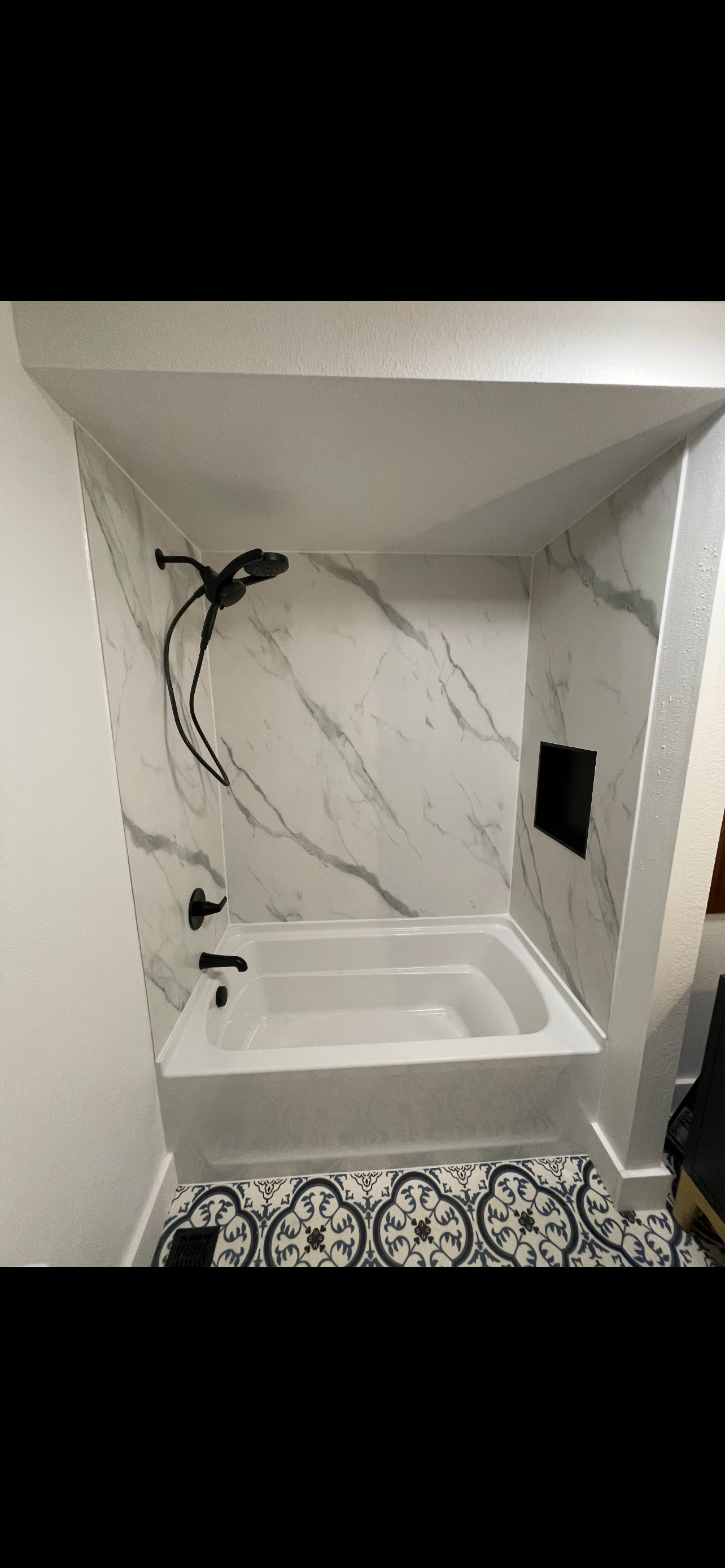
The craft of a cleaner, quieter system
Plumbing, done well, disappears. That is the essence of luxury. You should not hear hammering when valves close. You should not need to think about which faucet to use for decent pressure. You should never taste the pipes. During a repipe, you can specify small details that refine the experience.
Use full-port ball valves at key branches so isolated sections still deliver proper flow. Mark the manifold clearly, and mount it at a comfortable height with a light so future service is not a hunt with a phone flashlight. Insulate hot lines, especially in unconditioned spaces, and consider insulating cold lines where condensation might threaten cabinets or closets. Choose high-quality angle stops and supply lines, not whatever came in a bundle. Label them. If you prefer, match visible finishes, even if the stops sit inside a vanity. The cost difference is modest, and the satisfaction every time you open the door is real.
As for fixtures, a repipe is an opportunity to recalibrate flow rates and aerators. Many high-end shower systems include thermostatic valves that maintain temperature under varying demand. They shine with a modern supply. If you have ever stepped into a shower that sings at 6 a.m. and sulks at 8 a.m., you will feel the difference.
What the timeline feels like
On a well-run project, the rhythm looks like this. The first day brings protection, shutoff, and the initial pulls. By evening, temporary connections restore water to a kitchen and a bath. The second day threads lines to remaining fixtures, sets the manifold, and tests segments under pressure. The third day ties in stragglers, fires up recirculation if planned, and completes the system test at full pressure. Patching follows, usually the same day or next. Paint and texture finish after the patches cure. In larger properties, add a day or two. In estates with guest houses or pool houses, the team stages zones so the main residence stays livable.
The only surprises I still see come from hidden modifications done years ago. A creative homeowner rerouted a line behind a built-in, or a past remodeler buried a junction in an odd place. Expect one or two such puzzles. A capable crew solves them without turning your home into a maze of holes.
Choosing the right partner
Credentials matter, but so does temperament. The best plumbing contractors for repipes act like general contractors for water. They coordinate, communicate, and show respect for finishes. Ask to see photos of access cuts and patches from past affordable Lake Oswego repipe plumbing jobs. Ask how they protect floors. Ask if they own a moisture meter and use it before and after. For references, do not settle for the newest project. Request one from a year or two ago and call to ask about performance over time.
Another marker of quality is how the contractor talks about water quality and system design. If they steer you toward a single material without discussing your water chemistry, or if they dismiss recirculation or filtration out of hand, keep looking. Luxury is not about saying yes to everything. It is about understanding trade-offs and tailoring the solution.
The return you feel, not just the one you count
After a repipe, homeowners often describe a sense of quiet. Faucets open and close without chatter. Showers hold temperature when someone flushes. The dishwasher no longer steals from the sink. The morning routine tightens. The subtle irritation caused by subpar water simply stops. These are not vanity benefits. They are the daily satisfactions that make a house feel composed.
There is also a deeper security. When storms come, you worry less about a line failing in a hidden soffit. When you travel, you do not imagine water spreading while you sit on a runway. When you entertain, the house supports the moment instead of inserting itself. That is worth more than the sum of parts and labor.
When the numbers and the instinct align
You can sketch a back-of-envelope calculation to test whether now is the time. Tally recent repairs, note any premium increases, and estimate the probability of a leak in the next two to three years based on age and material. Assign a conservative cost to a moderate water event, including insurance deductible, higher premiums, and the inconvenience of remediation. Set that against a repipe quote that includes finish work done to your standard. If you are on the fence, get a water quality test and ask for two designs: one minimal, one optimized with a manifold and recirculation.
Then listen to your own tolerance for risk and annoyance. Some owners sleep well with a patch and a reminder on the calendar to recheck. Others want a definitive once-and-done solution. Neither is wrong. The trick is to choose deliberately. When the decision lines up with both the numbers and your appetite for quiet reliability, you have your answer.
Repipe Plumbing rarely wins a beauty contest, yet it is among the most transformative projects you can undertake because it removes problems before they surface. The cost of waiting hides in drywall and deductibles, in morning routines that drag, and in premiums that inch upward for reasons no one names. An elegant plumbing system is invisible but never accidental. It is designed, installed with care, and paid for once. If your home has begun to whisper that it is time, listen closely. The smart investment is often the one you stop noticing the moment it is done.
Business Name: Principled Plumbing LLC Address: Oregon City, OR 97045 About Business: Principled Plumbing: Honest Plumbing Done Right, Since 2024 Serving Clackamas, Multnomah, Washington, Marion, and Yamhill counties since 2024, Principled Plumbing installs and repairs water heaters (tank & tankless), fixes pipes/leaks/drains (including trenchless sewer), and installs fixtures/appliances. We support remodels, new construction, sump pumps, and filtration systems. Emergency plumbing available—fast, honest, and code-compliant. Trust us for upfront pricing and expert plumbing service every time! Website: https://principledplumbing.com/ Phone: (503) 919-7243